
SEO that wins shipper accounts for freight and logistics companies.
Shipping SEO is lane-and-service SEO. Shippers search for the exact move they need — a mode, a lane, a port pair — and quote whoever shows up with a credible page and a fast answer. We build SEO programs for freight forwarders, 3PLs, and shipping companies that rank for the moves you actually run and convert those searches into quote requests.
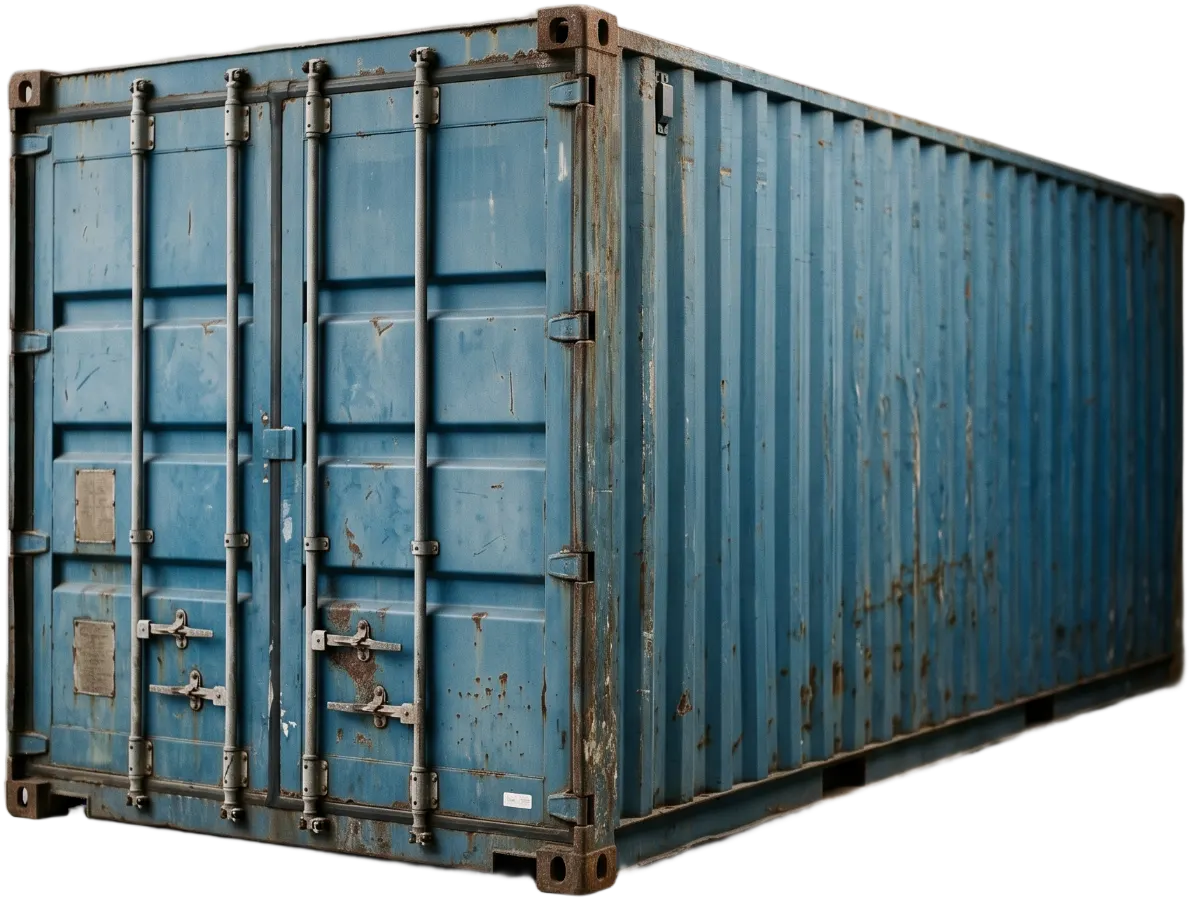


Four things every Shipping SEO program must get right.
Vertical SEO isn’t generic SEO with industry words swapped in. The schema requirements, search-intent profile, and conversion paths are categorically different. Here’s what shipping + logistics SEO actually needs.
Lane + service pages
Every mode and lane you run earns its own page — ocean and air, FCL and LCL, drayage, warehousing, the port pairs and regions you serve. Shippers search the move, not the company.
Shipper-intent architecture
Shippers, carriers, and job-seekers all land on logistics sites. The program separates those intents so shipper searches land on pages built to produce quotes — not on a careers page or a carrier packet.
Service + LocalBusiness schema
Service, LocalBusiness, and FAQ markup across lanes, modes, and locations makes your coverage machine-readable — the difference between being surfaced for a lane search and being invisible for it.
Quote-speed conversion
Freight quoting rewards the fastest credible answer. Quote forms that capture shipment details up front, clear service-scope signals, and pages that pre-answer the qualifying questions shorten the path from search to booked shipment.
Four ways Shipping SEO programs commonly fail.
Most SEO programs in this vertical fail in predictable, recoverable ways. If your current program shows any of these, the fix is usually re-scoping the strategy, not throwing more budget at execution.
One page for every mode
Ocean, air, LTL, drayage, and warehousing compressed into one “Services” page can’t rank for any of them.
Shipper and carrier intent conflated
Pages that speak to carriers and shippers at once convert neither — and confuse Google about who the site serves.
No lane or location pages
Shippers search port pairs and regions. Sites with no lane pages hand those searches to marketplaces and competitors.
Quote friction
A bare contact form with no shipment fields produces emails, not quotes — and slow first answers lose the booking to whoever replied first.
Senior-led, from Wailuku to wherever you move freight.
One team running search, ads, and web since 2016 — based in Wailuku, Maui, working with brands nationwide. You talk to the people doing the work, the same operator the whole way.
Shipping lives on booked freight, so we report on the signals that produce it — lane-page rankings, service visibility, and the quote requests they generate — not vanity traffic.
Vertical SEO is the cheat code. Generic SEO playbooks don’t survive contact with a real industry — but a vertical-specific schema, content, and conversion path will outrank a generic competitor every time.
What shipping SEO costs.
Pricing scales with your network, not a package chart: how many modes and lanes you run, how contested your ports and regions are, how much lane content needs building, and how your quote flow converts today.
We scope every program from a live audit — so the quote maps to what’s actually broken, not a tier name.
Not ready to talk?
Start with our free SEO tools — run a scorecard on your site or check where your pages rank before you ever book a call.
Logistics teams ask us this a lot.
Don’t see your question? Call (808) 758-5058.
How long does shipping SEO take to work?
Technical and schema fixes typically show movement within one to two months; lane and service rankings build from there. Logistics search is long-tail — hundreds of small, specific queries — and that’s where quote requests come from.
What are lane pages, and do we really need them?
A lane page targets a specific move — a port pair, a region, a mode. Shippers search exactly that way, and marketplaces rank for those searches today largely because most forwarders never built the pages.
Can we compete with freight marketplaces and giant 3PLs?
On head terms, rarely. On the specific lanes, modes, and industries you actually serve, yes — specific pages with real service detail outrank generic marketplace listings when done right.
Does SEO matter if most freight comes from relationships?
Relationships win renewals; search wins the first conversation. Shippers vet new providers online even when a referral started the process — the provider who shows up credibly gets the invite.
What schema do shipping companies need?
Service and LocalBusiness markup across modes, lanes, and locations, plus FAQ markup on the questions shippers actually ask. It’s how your coverage becomes machine-readable for Google and AI search.
Is Digital Reach only for Hawaii shipping?
We’re based in Wailuku, Maui — in a state where nearly everything moves by ocean freight — and we work with shipping and logistics companies nationwide. See our full SEO services for how we run the program.
Related services + verticals.
- Josh Willett — SEO for Shipping + Logistics Companies (2026)
- GoFreight — Speed to lead: quoting speed and win rates in freight (2026)
- Digital Reach Methodology (2026)
Ready to scope a Shipping SEO program?
First call is 30 minutes, free, with Shane personally. Tell us your current rankings, top keyword targets, and revenue goals. We’ll walk through what’s realistic.